What Comes Out of Your Body When You Detox? A Simple Guide
2 weeks ago · 9 min read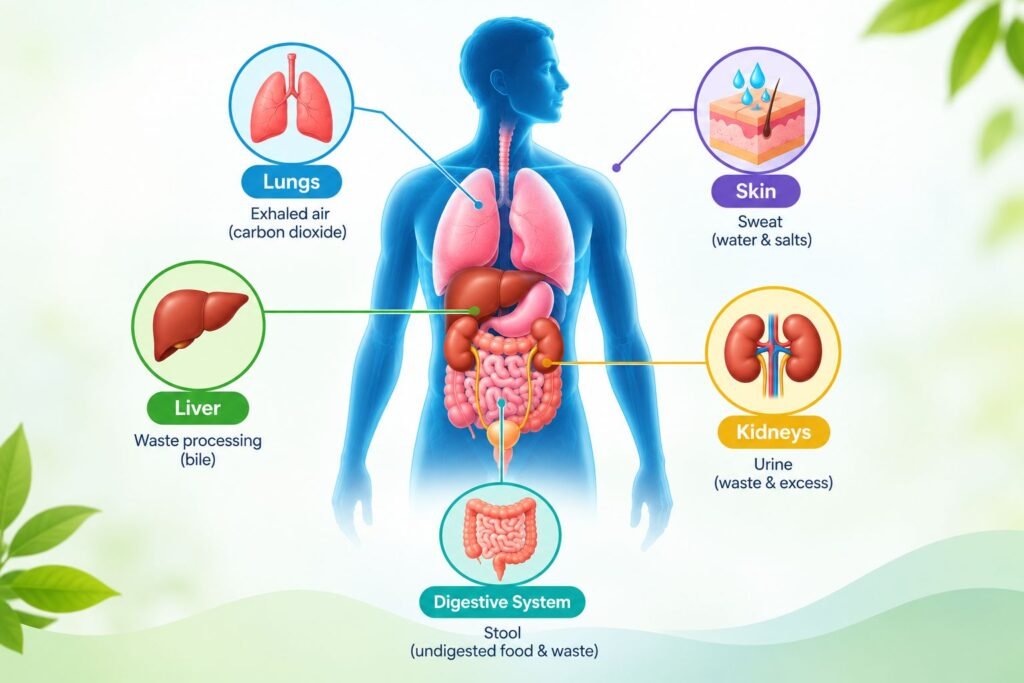
Have you ever wondered what comes out of your body when you detox? Many people believe that detoxing helps remove harmful substances, improve digestion, increase energy, and support overall health. Because of this, detox drinks, special diets, and cleansing products have become popular.
However, the human body already has natural systems that process and remove waste. Your liver, kidneys, lungs, digestive system, and skin all play different roles in keeping your body functioning properly.
When your body processes waste, it can leave through urine, stool, and exhaled air. Small amounts of certain substances can also leave through sweat. These are normal body processes, not proof that a special detox product is working.
In this guide, you will learn what comes out of your body during detox, how your body removes waste naturally, what changes you might notice, and whether detox diets are really necessary.
What Comes Out of Your Body When You Detox?
When your body removes waste, several substances leave through its natural elimination systems. What comes out depends on the substance being processed and the body’s normal functions.
The main ways your body removes waste include
- Urine: Your kidneys filter waste products and excess substances from your blood.
- Stool: Your digestive system eliminates undigested food, bacteria, and other waste.
- Exhaled air: Your lungs release carbon dioxide produced during normal body processes.
- Sweat: Your skin releases water and salts, along with small amounts of certain other substances.
These processes happen every day, whether you follow a detox plan or not.
It is important to understand that seeing changes in your urine, stool, or sweat does not automatically mean your body is removing extra toxins. For example, drinking more water may make your urine lighter in color because it becomes more diluted.
How Does Your Body Remove Toxins Naturally?
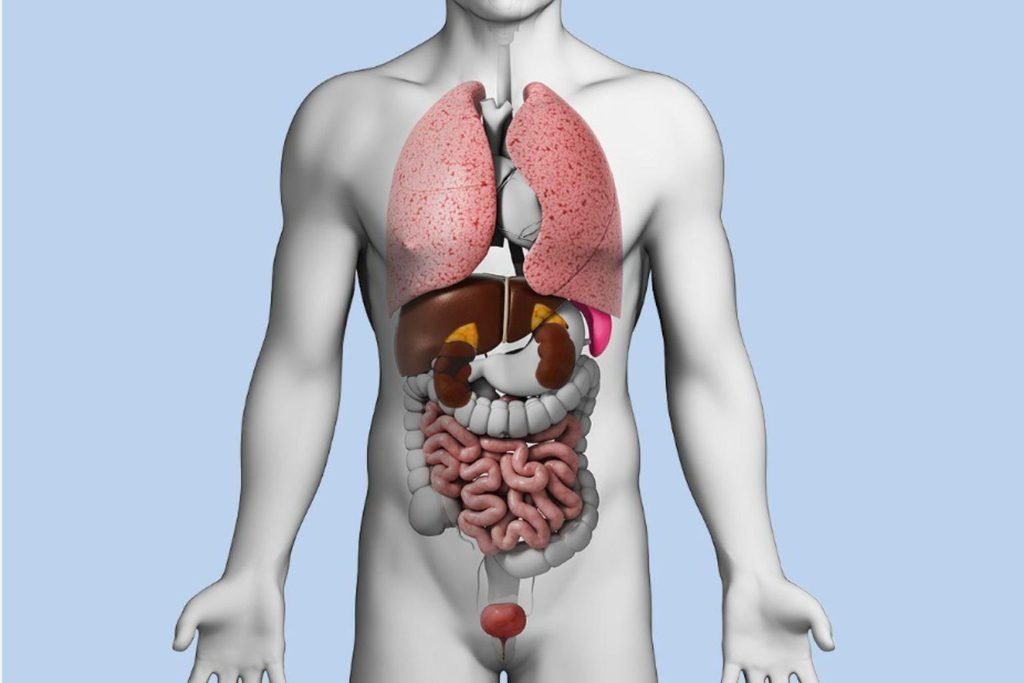
Your body has several organs that work together to process waste and maintain a healthy internal balance. Each organ has a specific role.
1. The Liver Processes Harmful Substances
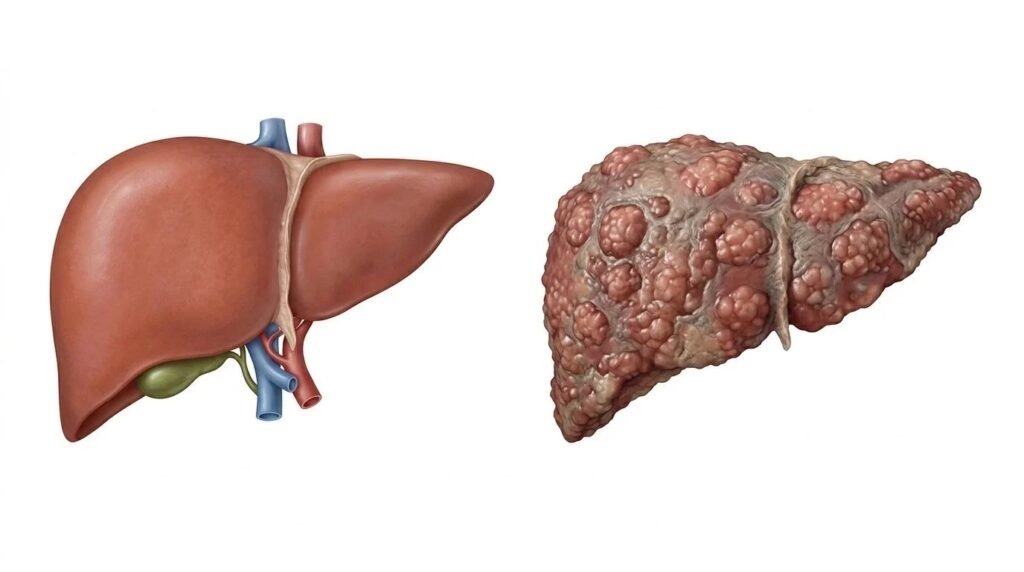
The liver is one of the body’s main organs for processing chemicals, medicines, alcohol, and substances produced during normal metabolism.
It changes many substances into forms that can be used, broken down further, or removed from the body. Some waste products leave through bile and eventually pass into stool, while others are processed and eliminated through the kidneys.
For example, when you consume alcohol, your liver breaks down most of it. Drinking a detox beverage does not make this process happen instantly.
Supporting liver health through balanced nutrition, limiting alcohol, and avoiding unnecessary supplements is more useful than relying on cleansing products.
2. The Kidneys Filter Waste From the Blood
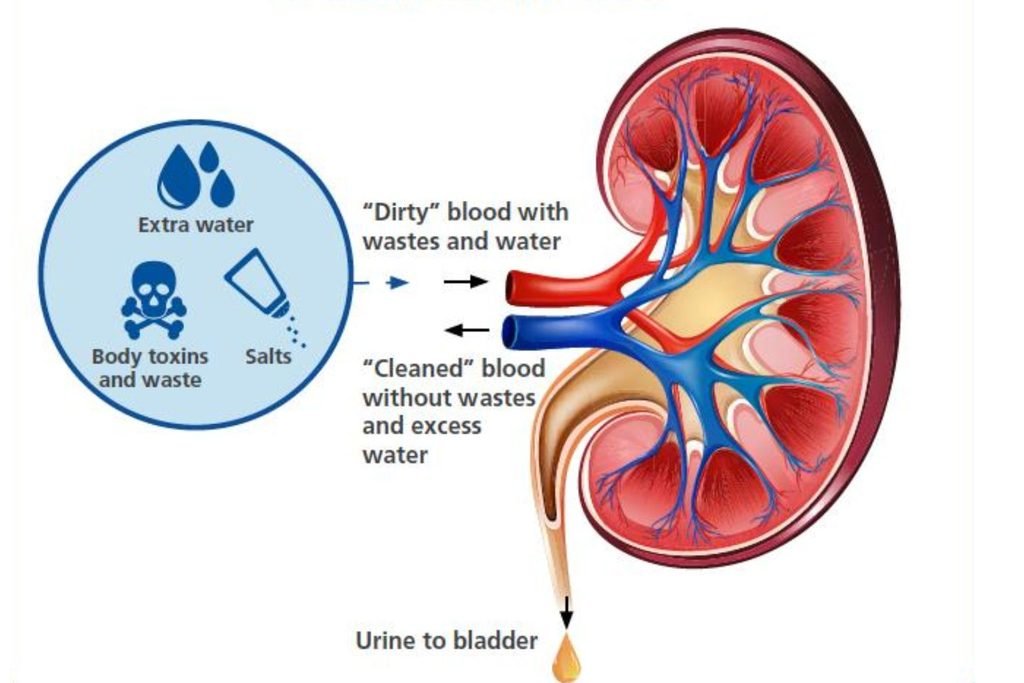
Your kidneys filter your blood continuously. They remove waste products and help regulate water, electrolytes, and other substances.
These waste products leave your body through urine.
Urine commonly contains water, urea, salts, and other dissolved substances. Its color can change depending on hydration, medications, foods, and certain health conditions.
For example, your urine may appear darker yellow when you have not had enough fluids. Drinking water can help restore normal hydration, although excessive water intake is not beneficial and can be dangerous.
Healthy kidneys usually perform this filtering process without the need for detox drinks or special cleansing diets.
3. Your Digestive System Removes Waste Through Stool

Your digestive system breaks down food and absorbs nutrients your body needs. Material that is not digested or absorbed moves through the intestines and eventually leaves as stool.
Stool contains water, bacteria, undigested food components, and other waste materials.
Eating enough fiber from vegetables, fruits, beans, and whole grains can support regular bowel movements. Drinking adequate fluids and staying physically active may also help maintain digestive health.
Some detox products cause diarrhea, making you pass stool more frequently. This does not necessarily mean toxins are leaving your body. Diarrhea can cause dehydration and an imbalance of electrolytes.
4. Your Lungs Release Carbon Dioxide
Your lungs do more than help you breathe. They also remove carbon dioxide, a waste product produced when your cells use energy.
When you breathe out, carbon dioxide leaves your body.
This process happens naturally throughout the day. Regular physical activity increases your body’s need for oxygen and production of carbon dioxide, so your breathing rate may increase during exercise.
However, breathing exercises and deep breathing should not be described as ways to flush unspecified toxins out of the body. Their benefits are different and depend on the activity.
5. Your Skin Releases Sweat
Sweating helps regulate your body temperature. Sweat consists mainly of water and salts, with small amounts of other substances.
You may sweat more during exercise, hot weather, or when sitting in a sauna.
Although some substances can leave the body through sweat in small amounts, sweating is not a major detoxification method. A sauna session or intense workout cannot replace the liver and kidneys.
If you sweat heavily, drink appropriate amounts of fluids and avoid overheating.
What Changes Might You Notice During a Detox?
Some people notice changes when they change their diet, drink more water, reduce alcohol consumption, or stop consuming certain foods and beverages.
However, these changes are not reliable signs that toxins are leaving the body.
Common changes include:
- Changes in urine color: Drinking more fluids may make urine lighter.
- Changes in bowel movements: Eating more fiber can affect stool frequency and consistency.
- Changes in energy levels: Getting adequate sleep and eating balanced meals may help you feel more energetic.
- Temporary headaches: These can occur when reducing caffeine, becoming dehydrated, or changing eating habits.
- Changes in body weight: Losing water or having fewer calories can cause short-term weight changes that do not necessarily represent fat loss.
Some detox plans encourage fasting, laxatives, or restrictive diets. These methods may cause unpleasant symptoms and do not necessarily improve the body’s ability to remove waste.
If you experience persistent vomiting, severe abdominal pain, fainting, confusion, or signs of significant dehydration, seek medical attention rather than assuming these symptoms are part of a detox process.
Do Detox Diets Really Work?
Detox diets are often promoted as a way to remove toxins, improve digestion, or help with weight loss. However, there is limited reliable evidence that commercial detox diets remove additional toxins or provide lasting health benefits. You can learn more about the evidence and safety concerns surrounding detoxes and cleanses.
Some people may feel better after changing their eating habits because they consume more fruits and vegetables, drink less alcohol, or reduce highly processed foods.
These benefits are more likely to come from the healthier habits themselves than from a special cleansing effect.
Detox teas, juice cleanses, and products marketed for rapid cleansing may also have drawbacks. Depending on their ingredients and how they are used, they can cause diarrhea, dehydration, nutrient deficiencies, or interactions with medications.
Your body does not generally need a special detox program to perform its normal waste-removal functions.
Healthier Ways to Support Your Body’s Natural Processes

Instead of following an extreme detox plan, focus on habits that support overall health:
- Eat a balanced diet with vegetables, fruits, whole grains, protein sources, and healthy fats.
- Drink enough water to maintain normal hydration.
- Get regular physical activity suited to your fitness level.
- Aim for consistent, adequate sleep.
- Limit alcohol and avoid smoking.
- Use medicines and supplements only as directed.
- Include fiber-rich foods to support regular bowel movements.
These habits help maintain normal body functions and are generally more sustainable than short-term cleansing programs.
How Long Does It Take for Your Body to Detox Naturally?
There is no single timeline for detoxification because different substances are processed and eliminated at different rates.
For example, the time required to process alcohol depends on how much you drink and individual factors. Medicines and other substances can also remain in the body for different periods.
Your liver and kidneys work continuously, rather than waiting for you to begin a detox program.
If you are concerned about exposure to a harmful substance, a possible poisoning, or a medication-related problem, contact a healthcare professional or poison control service. Do not rely on a detox drink or home remedy to treat a potentially dangerous exposure.
Conclusion
So, what comes out of your body when you detox? Waste products leave mainly through urine and stool, while your lungs release carbon dioxide and your skin releases sweat. These are normal processes that help your body maintain its internal balance.
Your liver and kidneys play particularly important roles in processing substances and removing waste. Although some people feel better after changing their eating habits, this does not mean that a special detox product has removed extra toxins.
The best approach is to support your body’s natural functions with balanced meals, adequate hydration, regular physical activity, and enough sleep. Avoid extreme cleansing plans, and speak with a healthcare professional if you have concerns about your health.
Frequently Asked Questions (FAQs)
1. What comes out of your body when you detox?
Waste products leave through urine and stool, while carbon dioxide leaves through exhaled air. Sweat contains water, salts, and small amounts of other substances. These processes occur naturally every day.
2. What color is your urine when toxins leave your body?
There is no special urine color that indicates toxins are leaving your body. Pale yellow urine is common with adequate hydration, while darker urine may indicate that you need more fluids. Certain foods, medications, and medical conditions can also affect urine color.
3. Does sweating remove toxins from the body?
Sweat removes water and salts and may contain small amounts of certain substances. However, sweating is not a major detoxification method. Your liver and kidneys perform most of the body’s important processing and waste-removal functions.
4. How can I help my body detox naturally?
You can support normal body functions by eating a balanced diet, drinking enough water, exercising regularly, sleeping well, and limiting alcohol. Most healthy people do not need detox drinks, juice cleanses, or special cleansing supplements.
5. Do detox drinks remove toxins faster?
There is not enough reliable evidence that commercial detox drinks make the body eliminate toxins faster. Some products may contain laxatives or diuretics that cause temporary fluid loss, which can lead to dehydration.
6. Can you feel sick when your body is detoxing?
Headaches, fatigue, nausea, or digestive changes can occur when you change your diet, reduce caffeine, become dehydrated, or use certain products. These symptoms are not reliable evidence of detoxification. If symptoms are severe or persistent, seek medical advice.
Oliver Grant
Oliver researches and writes the articles on this site, turning health news into clear, everyday guides. He is not a medical professional, and everything he shares is general information, not medical advice.
More about Oliver →