Tips for Eating Healthier: Simple Habits for Everyday Life
4 days ago · 11 min read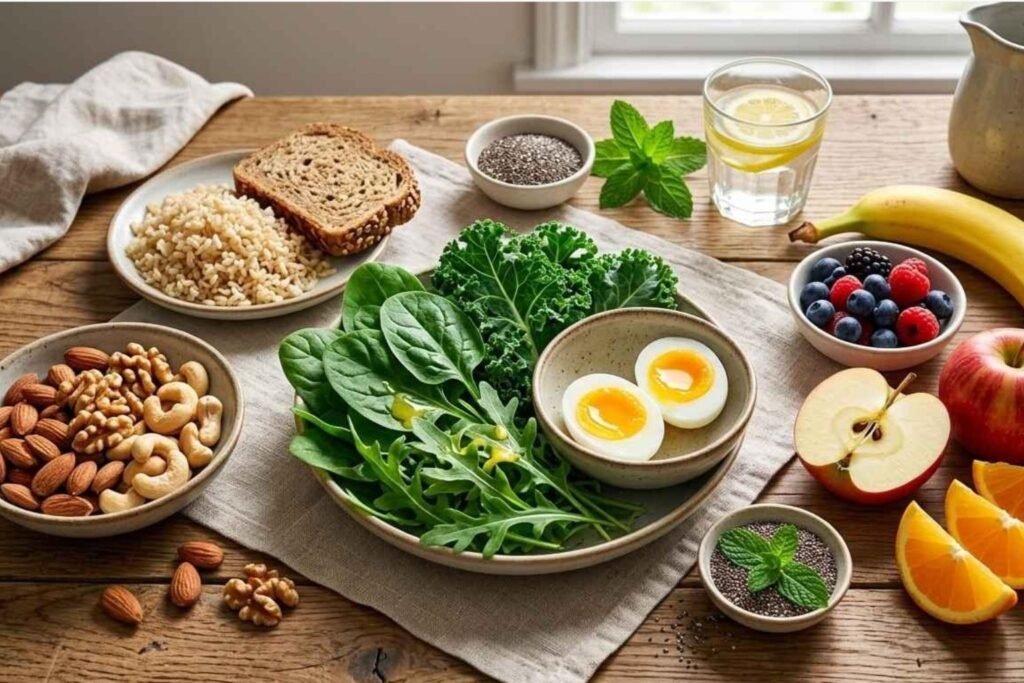
Eating healthier does not mean giving up all your favorite foods or following a strict diet. It is about making small, balanced choices that help your body get the nutrients it needs. Whether you want to improve your daily routine, feel more energetic, or build better eating habits, simple changes can make a difference over time.
Many people believe healthy eating requires expensive ingredients, complicated recipes, or hours in the kitchen. However, a healthy diet can include everyday foods such as fruits, vegetables, whole grains, beans, eggs, nuts, and other nutritious options that fit your lifestyle and budget.
If you are looking for practical tips for eating healthier, this guide will help you understand how to make better food choices, plan balanced meals, manage portions, and develop habits you can maintain in the long run.
1. Include More Fruits and Vegetables in Your Meals

Fruits and vegetables provide essential vitamins, minerals, fiber, and other nutrients that support overall health. Eating a variety of colorful produce is an easy way to improve the nutritional value of your meals.
Eating a variety of fruits and vegetables can help you get essential vitamins, minerals, and fiber. Learn more about variety of fruits and vegetables and healthy food choices.
You do not need to change your entire diet overnight. Start by adding one serving of fruit or vegetables to meals you already enjoy.
For example:
- Add sliced bananas or berries to your breakfast.
- Include a side salad or cooked vegetables with lunch.
- Choose an apple, orange, or carrot stick as a snack.
- Add spinach, peas, or peppers to soups and pasta dishes.
Fresh, frozen, and canned fruits and vegetables can all be useful options. When choosing canned products, look for fruit packed in water or its own juice and vegetables with little or no added salt.
The key is variety. Different fruits and vegetables provide different nutrients, so try to include several types throughout the week.
2. Choose Whole Grains More Often
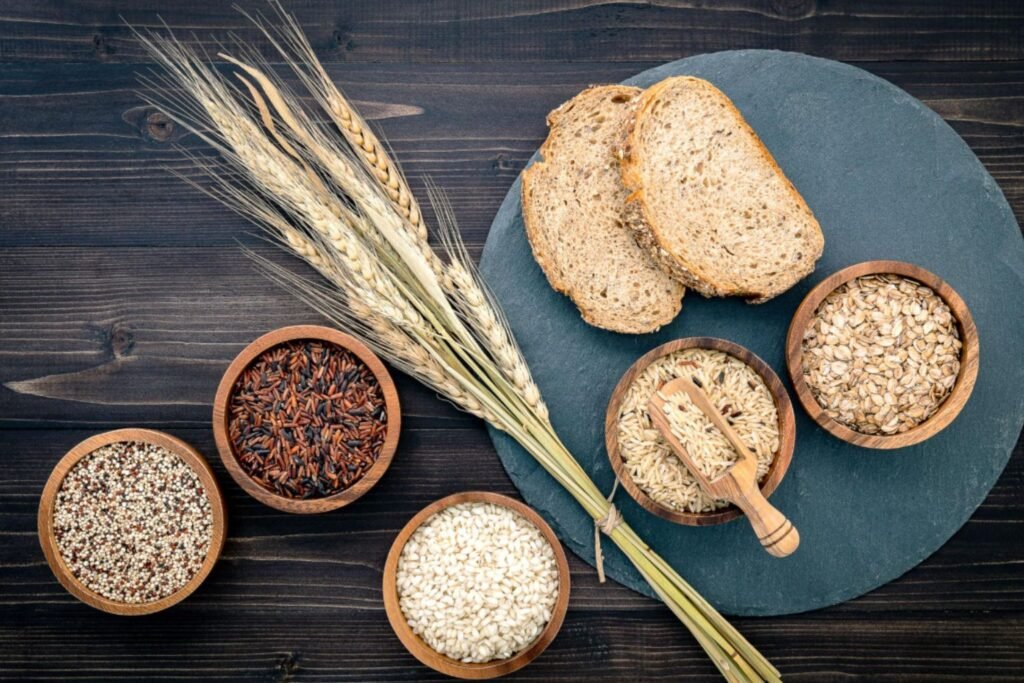
Whole grains contain the bran, germ, and endosperm of the grain. Because they retain these parts, they generally provide more fiber and nutrients than refined grains.
Common whole-grain foods include:
- Oatmeal
- Brown rice
- Whole-wheat bread
- Whole-grain pasta
- Barley
- Quinoa
Refined grains, such as white bread and white rice, can still be part of a balanced diet. However, replacing some refined grains with whole-grain alternatives can help increase your fiber intake.
For example, try oatmeal for breakfast instead of a sugary breakfast pastry. You could also choose whole-wheat bread for sandwiches or mix brown rice with white rice while gradually adjusting your preferences.
Make changes at a pace that feels comfortable. Small substitutions are often easier to maintain than changing every meal at once.
3. Add Protein to Your Daily Meals
Protein helps the body build and repair tissues. It also supports muscles and many other important functions.
Including protein in your meals can make them more balanced and satisfying. Both animal-based and plant-based foods can provide protein.
Good options include:
- Eggs
- Fish and chicken
- Beans and lentils
- Tofu and soy products
- Plain yogurt
- Nuts and seeds
For example, you could add eggs to breakfast, beans to a salad at lunch, or lentils to dinner. If you prefer plant-based meals, combine different protein-rich foods throughout the day to support a varied diet.
You do not need to eat large portions of meat to get protein. Choose a variety of sources based on your preferences, dietary needs, and budget.
4. Drink Water Throughout the Day

Water helps regulate body temperature, supports digestion, and allows the body to perform essential functions. Drinking enough water is an important part of healthy eating habits.
Sugary drinks, including soda and some sweetened teas and juices, can add substantial amounts of sugar to your daily diet. Choosing water more often can help reduce added sugar intake.
Here are some simple ways to drink more water:
- Keep a reusable water bottle nearby.
- Drink water with meals.
- Choose water instead of soda when possible.
- Add lemon, cucumber, or mint for flavor.
- Drink more when you are physically active or in hot weather.
Water needs vary depending on activity level, climate, health, and other factors. Pay attention to your body’s needs rather than following one fixed amount that may not suit everyone.
Unsweetened tea and other beverages can also contribute to fluid intake.
5. Reduce Added Sugar Gradually
Added sugars are found in many packaged foods and drinks, including candy, cakes, sweetened cereals, soft drinks, and some flavored yogurts.
Eating too much added sugar regularly can make it harder to maintain a balanced diet. However, you do not need to eliminate every sweet food to eat healthier.
Start with manageable changes:
- Choose unsweetened yogurt and add fresh fruit.
- Reduce the sugar you add to tea or coffee.
- Compare nutrition labels when buying packaged foods.
- Choose whole fruit more often than sugary snacks.
- Save desserts for when you genuinely want them rather than eating them automatically.
For example, if you usually drink two sugary beverages each day, try replacing one with water or an unsweetened alternative.
Gradual changes can help you develop habits that last without making healthy eating feel restrictive.
6. Pay Attention to Portion Sizes

Healthy foods provide important nutrients, but portion sizes still matter. Eating more than your body needs regularly may make it difficult to maintain a healthy balance.
Instead of counting every calorie, start by paying attention to your hunger, fullness, and meal composition.
A simple way to build a balanced plate is to aim for:
- Half the plate filled with vegetables and fruit.
- One-quarter filled with protein-rich foods.
- One-quarter filled with whole grains or other starchy foods.
This is a general guide rather than a strict rule. Your needs may differ based on your age, activity level, health, and personal circumstances.
Other helpful habits include eating slowly, serving food onto a plate instead of eating directly from a large package, and pausing before taking a second serving.
Remember that portion guidance should support your well-being, not create unnecessary food anxiety.
7. Plan Your Meals Ahead of Time
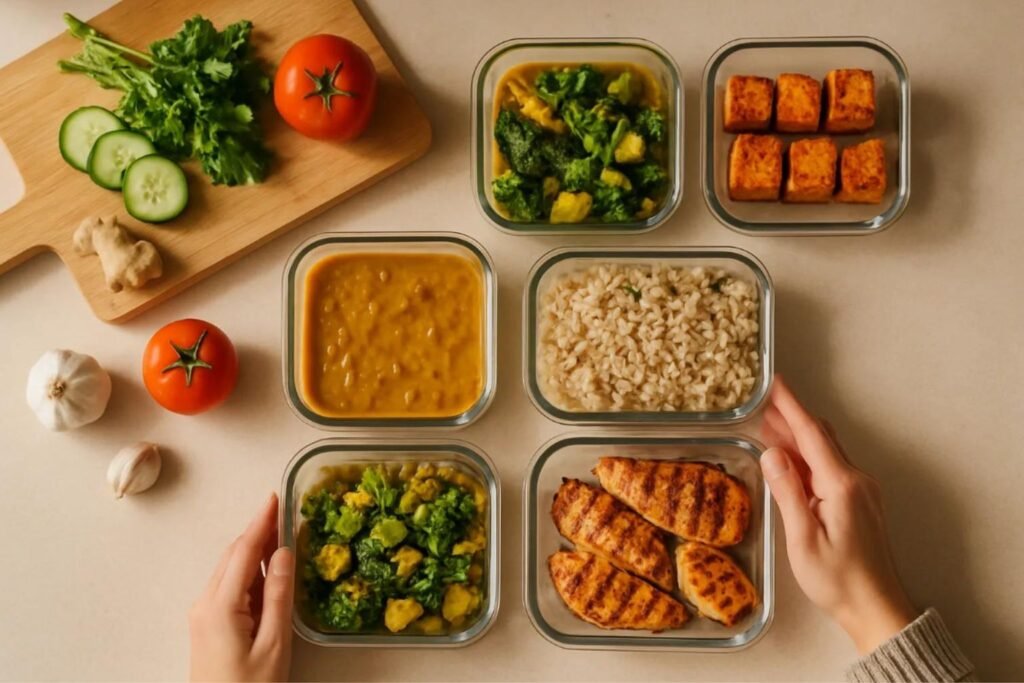
Meal planning can make it easier to eat healthier, especially when you have a busy schedule. It also helps you use groceries efficiently and avoid relying on convenient foods at every meal.
You do not need to prepare an entire week’s worth of food in one day. Start by planning a few meals and keeping basic ingredients available.
For example, a simple daily meal plan could include:
- Breakfast: Oatmeal with fruit and nuts.
- Lunch: A chicken, bean, or tofu salad with whole-grain bread.
- Snack: Fruit with yogurt or a small handful of nuts.
- Dinner: Rice or whole grains with vegetables and lentils, fish, or chicken.
Adjust these meals to suit your preferences and nutritional needs.
To make planning easier:
- Write a short grocery list before shopping.
- Wash and cut vegetables in advance.
- Cook beans, lentils, or grains in larger batches.
- Keep convenient options such as frozen vegetables available.
- Use leftovers safely for another meal.
Planning ahead reduces the pressure to decide what to eat when you are hungry and short on time.
8. Make Healthy Eating Affordable
Healthy eating does not have to be expensive. Many affordable foods provide essential nutrients and can be used in several different meals.
Consider these budget-friendly options:
- Beans, lentils, and dried peas
- Oats and other whole grains
- Seasonal fruits and vegetables
- Frozen vegetables
- Eggs
- Canned beans or fish
- Peanut butter and other nut butters
Compare unit prices, buy ingredients you will actually use, and choose seasonal produce when it is less expensive.
For example, a meal made with lentils, rice, and vegetables can be nutritious and affordable. You can prepare extra portions for later meals, helping save both time and money.
Expensive health foods, specialty powders, and imported ingredients are not necessary for most people to build a balanced eating routine.
9. Eat Mindfully and Listen to Your Body
Mindful eating means paying attention to your food, hunger, and fullness while eating. It can help you become more aware of your habits and enjoy meals without unnecessary distractions.
Try these practices:
- Sit down for meals when possible.
- Eat slowly and notice the taste and texture of food.
- Pause occasionally to check whether you are still hungry.
- Avoid eating straight from large snack packages.
- Notice how different meals affect your energy and satisfaction.
For example, if you usually eat lunch while scrolling on your phone, try putting your phone aside for a few minutes and focusing on your meal.
You do not need to eat perfectly at every meal. Some days will look different from others, and that is normal. The goal is to develop a healthier relationship with food over time.
10. Build Consistent Habits Instead of Following Strict Diets
Strict diets often require major changes that can be difficult to maintain. A more practical approach is to focus on habits that fit your daily routine.
You could begin with two or three small goals, such as:
- Eating a serving of fruit every day.
- Drinking water more often.
- Adding vegetables to lunch or dinner.
- Preparing breakfast at home a few times each week.
- Including a protein source in your main meals.
Track your progress in a simple notebook or on your phone if that helps you stay consistent.
If you miss a goal one day, continue with your next meal rather than treating it as a failure. Healthy eating is shaped by your overall routine, not by one food choice.
Over time, these simple healthy eating habits can become a natural part of your lifestyle.
Conclusion
Eating healthier does not require a perfect diet or a complete lifestyle change. Small, practical steps can help you build a balanced routine that supports your overall well-being.
Start by eating more fruits and vegetables, choosing whole grains more often, including protein-rich foods, drinking water regularly, and planning meals when possible. Pay attention to portions, reduce added sugar gradually, and choose affordable foods that fit your needs.
The most useful tips for eating healthier are the ones you can follow consistently. Choose one or two changes to begin with, give yourself time to adjust, and build from there. A balanced and flexible approach can make healthy eating easier to maintain for the long term.
For more helpful information on everyday wellness, explore our latest health and nutrition articles.
Frequently Asked Questions (FAQs)
1. What are the easiest tips for eating healthier?
Start with simple changes, such as eating more fruits and vegetables, drinking water more often, choosing whole grains, and including protein in your meals. Focus on one or two habits at a time.
2. How can I start eating healthier as a beginner?
Begin by reviewing your current eating routine and identifying one area to improve. You might add fruit to breakfast, include vegetables with dinner, or replace a sugary drink with water. Build on these changes gradually.
3. What foods should I eat every day for a balanced diet?
A balanced diet generally includes fruits, vegetables, whole grains, protein-rich foods, and sources of healthy fats. The right amounts depend on your individual needs, preferences, and health.
4. Can I eat healthy on a limited budget?
Yes. Foods such as oats, lentils, beans, eggs, seasonal produce, and frozen vegetables can provide important nutrients at relatively low cost. Planning meals and using leftovers can also help reduce food expenses.
5. Do I need to stop eating my favorite foods to be healthy?
No. Most people can enjoy their favorite foods as part of a balanced diet. Focus on your overall eating pattern rather than labeling individual foods as completely good or bad.
6. How long does it take to develop healthy eating habits?
There is no fixed timeline. Some changes may become easier within a few weeks, while others take longer. Consistency, realistic goals, and flexibility can help you maintain new habits.
7. Is skipping meals a good way to eat healthier?
Skipping meals is not necessary for healthy eating. Regular meals can help many people meet their nutritional needs and manage hunger. Your ideal eating schedule depends on your individual circumstances and preferences.
8. What is the best way to maintain healthy eating habits?
Make changes that fit your lifestyle, plan meals when useful, keep nutritious foods available, and avoid expecting perfection. If you have specific medical or dietary needs, consult a qualified healthcare professional or registered dietitian for personalized advice.
Disclaimer: This article is for general educational purposes only and is not a substitute for professional medical or nutritional advice.
Oliver Grant
Oliver researches and writes the articles on this site, turning health news into clear, everyday guides. He is not a medical professional, and everything he shares is general information, not medical advice.
More about Oliver →