Signs of Liver Cirrhosis: Early Symptoms and Warning Signs
3 hours ago · 11 min read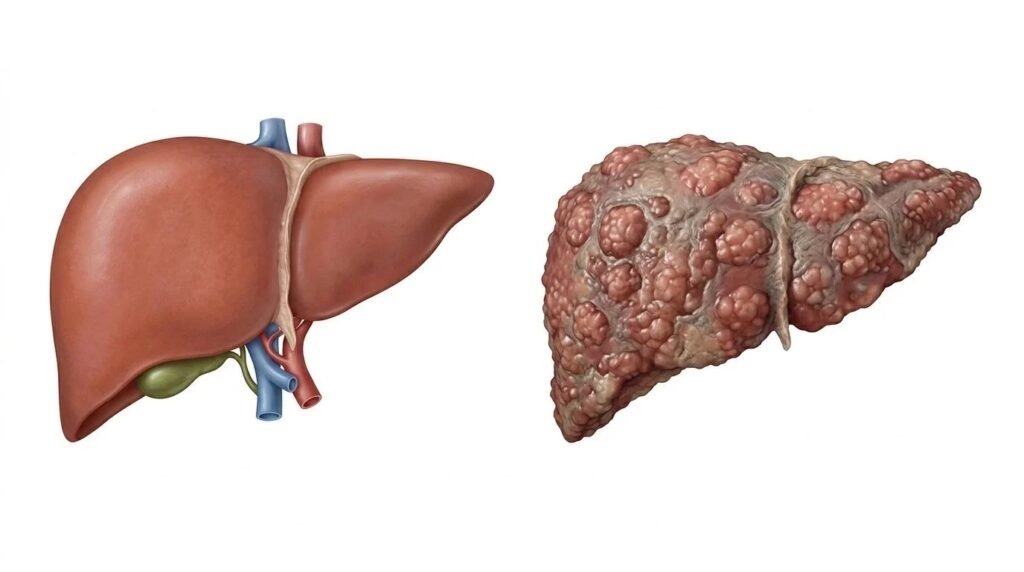
Liver cirrhosis is a chronic condition in which scar tissue gradually replaces healthy liver tissue, making it harder for the liver to function normally. It can develop after years of liver damage caused by conditions such as chronic hepatitis, alcohol-associated liver disease, or metabolic dysfunction-associated steatotic liver disease (MASLD).
One challenge with cirrhosis is that it may not cause noticeable symptoms in its early stages. Some people discover they have liver damage during routine blood tests or medical examinations. As the condition progresses, symptoms such as fatigue, loss of appetite, yellowing of the skin or eyes, and swelling in the abdomen or legs may develop.
Recognizing possible signs of liver cirrhosis can help people understand when to seek medical evaluation. However, symptoms alone cannot confirm the condition, and several other health problems can cause similar changes.
What Are the Early Signs of Liver Cirrhosis?
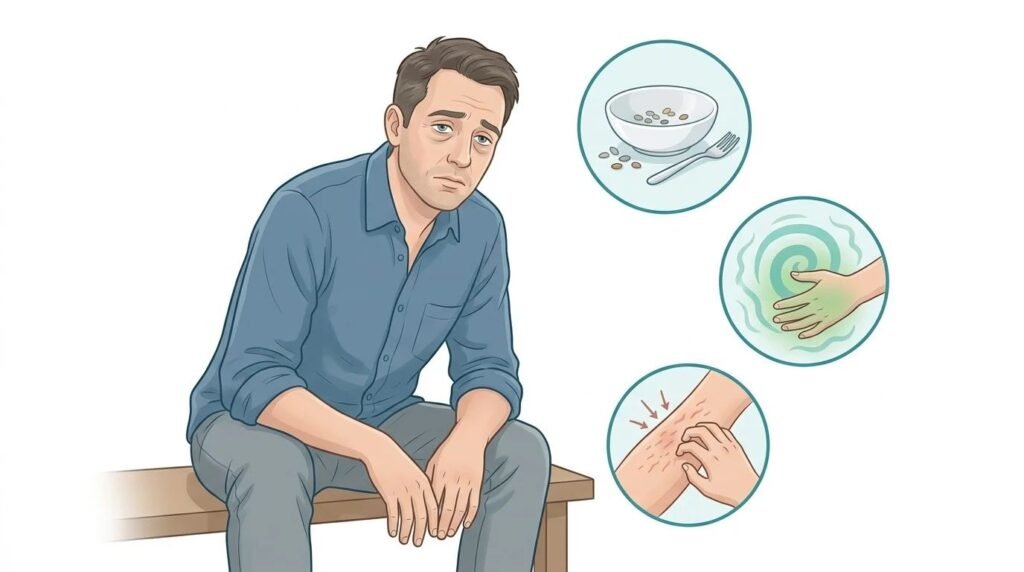
Early liver cirrhosis may cause no noticeable symptoms. When symptoms occur, they are often general and can resemble those associated with many other conditions.
Possible early symptoms include:
- Persistent fatigue: Feeling unusually tired or weak, even after adequate rest.
- Loss of appetite: Eating less than usual or feeling full sooner than expected.
- Unexplained weight loss: Losing weight without deliberately changing eating habits or physical activity.
- Nausea: Experiencing frequent queasiness or occasionally vomiting.
- Itchy skin: Developing persistent itching that does not have an obvious cause.
- Abdominal discomfort: Feeling mild pain or discomfort in the upper-right portion of the abdomen, where the liver is located.
- Muscle weakness or loss: Noticing reduced muscle strength or a gradual loss of muscle mass.
These symptoms do not necessarily indicate cirrhosis. Fatigue, itching, and appetite changes, for example, can have many causes. A healthcare professional can assess persistent or unexplained symptoms and determine whether liver testing is appropriate.
According to the National Institute of Diabetes and Digestive and Kidney Diseases (NIDDK), symptoms may not appear until cirrhosis has significantly affected the liver.
Common Symptoms of Liver Cirrhosis
As liver damage progresses, different symptoms may become more noticeable. Their severity and combination vary from person to person.
1. Persistent Fatigue and Weakness
Fatigue is a possible symptom of cirrhosis. People may feel exhausted during everyday activities or notice that they have less energy than usual.
Liver disease can affect metabolism, nutrition, and other processes involved in maintaining energy levels. However, fatigue is not specific to liver disease and can also occur with anemia, sleep problems, infections, and other conditions.
2. Loss of Appetite and Unexplained Weight Loss
Some people with cirrhosis experience a reduced appetite or lose weight without intending to. Nausea, digestive discomfort, and changes in how the body processes nutrients may contribute.
In more advanced disease, muscle loss and malnutrition can become significant concerns. Persistent appetite changes or unexplained weight loss should be discussed with a healthcare professional rather than automatically attributed to a liver problem.
3. Nausea and Abdominal Discomfort
Cirrhosis may be associated with nausea, vomiting, or discomfort in the upper-right abdomen.
These symptoms are not reliable indicators of cirrhosis on their own. Digestive disorders, gallbladder problems, medication effects, and other conditions can produce similar symptoms.
Seek medical advice if abdominal discomfort or nausea persists, becomes severe, or occurs alongside other concerning changes.
4. Itchy Skin
Persistent itching, medically known as pruritus, can occur in some liver conditions. It may affect different areas of the body and can sometimes interfere with sleep.
Itching does not always mean cirrhosis is present. Skin conditions, allergies, medication reactions, and other medical problems can also cause it.
A healthcare professional can help determine whether liver or bile-flow problems need to be investigated.
5. Easy Bruising or Bleeding
The liver produces proteins that help blood clot. Advanced liver disease can interfere with clotting, while changes in platelet levels may also contribute to bruising or bleeding.
A person may notice bruises appearing more easily than before or bleeding that takes longer to stop.
Unexplained bruising or bleeding deserves medical assessment, particularly when it occurs alongside other possible signs of liver disease.
Physical Signs of Advanced Liver Cirrhosis
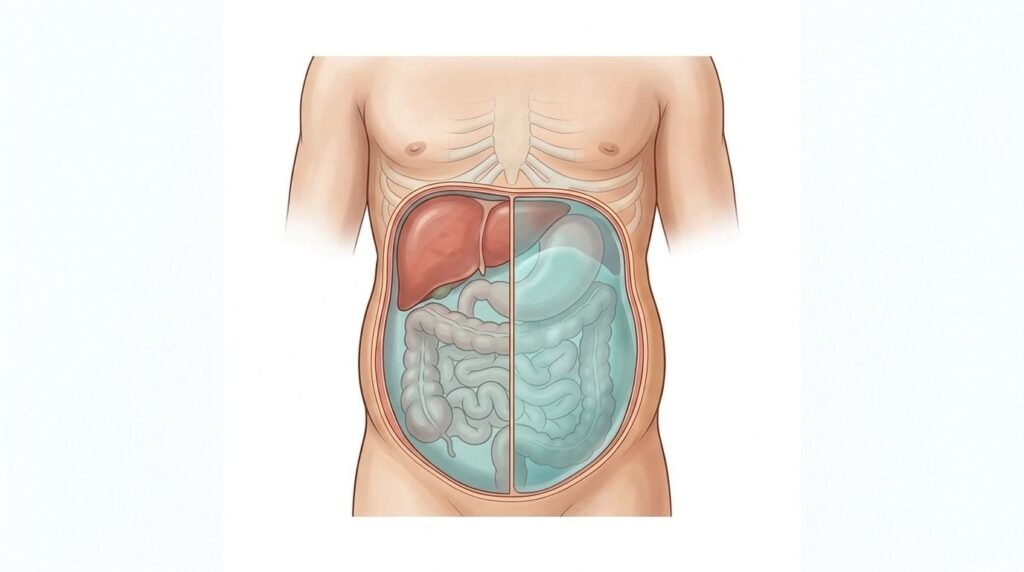
As cirrhosis progresses, impaired liver function and increased pressure in the blood vessels supplying the liver can lead to complications. Some of these complications require urgent medical attention.
1. Yellowing of the Skin or Eyes
Jaundice causes the skin and the whites of the eyes to appear yellow. It develops when bilirubin, a yellow substance produced during the normal breakdown of red blood cells, builds up in the body.
A damaged liver may have difficulty processing and removing bilirubin effectively. Jaundice can occur in cirrhosis, although it also has other possible causes.
New yellowing of the skin or eyes requires prompt medical assessment.
2. Swelling in the Abdomen, Legs, or Ankles
Cirrhosis can cause fluid to accumulate in the abdomen, a condition called ascites. Fluid may also collect in the legs, ankles, and feet, causing swelling known as edema.
These changes can occur because of increased pressure in the portal vein, changes in the body’s fluid regulation, and reduced production of certain proteins by the liver.
New or increasing abdominal or leg swelling should be evaluated promptly, especially in someone with known liver disease. Rapid abdominal enlargement, fever, or abdominal pain may indicate a serious complication.
3. Confusion, Drowsiness, or Difficulty Concentrating
When the liver cannot adequately remove certain substances from the blood, they may affect brain function. This can lead to hepatic encephalopathy.
Possible changes include difficulty concentrating, altered sleep patterns, forgetfulness, unusual behavior, confusion, or drowsiness.
Sudden confusion, difficulty staying awake, or slurred speech requires emergency medical evaluation. Do not assume these symptoms are simply fatigue or a normal consequence of aging.
4. Vomiting Blood or Passing Black, Tarry Stools
Cirrhosis can cause increased pressure in the portal vein, sometimes leading to enlarged veins in the esophagus or stomach. These veins, called varices, can rupture and cause serious internal bleeding.
Warning signs include:
- Vomiting bright-red blood or material resembling coffee grounds.
- Passing black, tarry stools.
- Feeling faint or dizzy alongside signs of bleeding.
These symptoms may indicate a medical emergency. Seek emergency care immediately rather than waiting for a routine appointment.
5. Changes in the Skin, Palms, or Nails
Some people with cirrhosis develop visible changes such as small, spider-shaped blood vessels on the skin or redness of the palms. Nail changes and widening or rounding of the fingertips may also occur in some cases.
These findings are not specific to cirrhosis and cannot establish a diagnosis by themselves. A clinician must interpret them alongside the person’s medical history, examination, and test results.
Can You Have Liver Cirrhosis Without Symptoms?
Yes. Cirrhosis can develop without obvious symptoms, particularly in its earlier stages.
The liver has considerable functional capacity, so a person may feel relatively well even when significant scarring is present. Symptoms may emerge only after the damage has progressed or a complication develops.
Cirrhosis may be suspected during an evaluation for another health concern or discovered through routine blood tests, imaging, or investigations for an underlying liver condition.
People with risk factors such as chronic hepatitis B or C, alcohol-associated liver disease, or metabolic liver disease should discuss appropriate screening and monitoring with a healthcare professional.
The absence of symptoms does not rule out liver damage. Equally, experiencing one or more symptoms does not prove that cirrhosis is present.
How Is Liver Cirrhosis Diagnosed?

A healthcare professional uses a combination of medical history, physical examination, and diagnostic tests to assess possible cirrhosis. No single symptom or test is appropriate for every person.
Medical History and Physical Examination
A clinician may ask about symptoms, medical conditions, medications, alcohol use, family history, and possible exposure to hepatitis viruses.
The examination may include checking for jaundice, abdominal swelling, leg edema, skin changes, or other findings associated with liver disease.
Blood Tests
Blood tests can help evaluate liver injury and function, blood clotting, platelet levels, and possible causes of liver disease. Depending on the circumstances, testing may include liver enzymes, bilirubin, albumin, and other measurements.
Blood tests alone cannot always confirm or exclude cirrhosis.
Ultrasound, CT Scans, and MRI
Imaging tests can help evaluate the liver’s appearance, detect fluid accumulation, and identify structural changes associated with cirrhosis or other liver conditions.
A CT scan may show changes in liver shape, surface nodularity, or signs of complications. Ultrasound and MRI can also provide useful information, depending on the clinical question.
However, early fibrosis or cirrhosis may not be obvious on conventional imaging. A normal scan does not reliably rule out early liver scarring.
Elastography and Liver Biopsy
Elastography is a noninvasive technique that estimates liver stiffness, which can help assess fibrosis. The results must be interpreted in context because factors other than scarring can affect liver stiffness.
In selected cases, a clinician may recommend a liver biopsy to examine a tissue sample. Biopsy is not required for every person suspected of having cirrhosis.
The appropriate tests depend on the person’s symptoms, medical history, examination, and initial results.
Can a CT Scan Detect Liver Cirrhosis?

A CT scan can identify structural changes that suggest cirrhosis, particularly when the disease is more advanced. It may also reveal complications such as abdominal fluid accumulation or an enlarged spleen.
However, a CT scan cannot reliably detect every case of early cirrhosis or mild liver fibrosis. Other investigations may be needed when clinical suspicion remains.
If a CT report mentions a nodular liver, possible cirrhosis, or signs of portal hypertension, a healthcare professional should interpret the findings alongside blood tests, medical history, and any additional investigations.
People should not diagnose themselves from CT images or a radiology report alone.
When Should You Seek Medical Attention?
Arrange a medical appointment if you have persistent unexplained fatigue, appetite loss, weight loss, itching, abdominal discomfort, or other symptoms that concern you. Seek evaluation sooner if symptoms worsen or several changes occur together.
Prompt medical assessment is especially important for new jaundice, increasing abdominal or leg swelling, or breathing difficulties in someone with known cirrhosis.
Seek emergency care immediately if you experience:
- Vomiting blood or material resembling coffee grounds.
- Black, tarry stools that may indicate gastrointestinal bleeding.
- Sudden confusion, slurred speech, or a major change in alertness.
These warning signs can indicate serious complications and should not be managed at home while waiting for symptoms to pass.
Frequently Asked Questions
What are the first signs of liver cirrhosis?
Early cirrhosis may cause no noticeable symptoms. When symptoms occur, they can include fatigue, poor appetite, unexplained weight loss, nausea, itching, and mild abdominal discomfort. These symptoms have many possible causes and cannot confirm cirrhosis.
Can early liver cirrhosis go unnoticed?
Yes. Some people have no obvious symptoms during the early stages. Liver disease may be identified through blood tests, imaging, or evaluation of an underlying condition before noticeable symptoms develop.
Can cirrhosis be diagnosed from symptoms alone?
No. Symptoms can raise suspicion, but diagnosis usually requires a medical history, physical examination, and appropriate tests. A clinician determines which investigations are needed.
Can an ultrasound detect early liver cirrhosis?
Ultrasound may show structural changes associated with cirrhosis, but it can miss early disease or mild fibrosis. Depending on the circumstances, additional tests such as elastography or blood tests may be needed.
Can a CT scan detect liver fibrosis?
A CT scan can reveal some changes associated with advanced liver disease, but it is not a reliable way to exclude early fibrosis. A healthcare professional may recommend other assessments to evaluate liver scarring.
Is liver cirrhosis reversible?
Established cirrhosis involves significant liver scarring that is generally not fully reversible. However, treating the underlying cause can slow or sometimes halt further damage and help prevent complications. Outcomes depend on the cause, severity, and response to treatment.
Final Thoughts
The signs of liver cirrhosis can range from subtle symptoms such as fatigue and appetite loss to more serious complications such as jaundice, abdominal swelling, internal bleeding, and changes in mental function.
Because cirrhosis may remain unnoticed in its early stages, persistent symptoms and relevant risk factors should not be ignored. Medical evaluation can help identify the cause, assess the extent of liver damage, and guide appropriate treatment.
Recognizing possible warning signs is useful, but only a qualified healthcare professional can assess whether cirrhosis is present and determine the next steps.
Medical disclaimer: This article is intended for general educational purposes only. It does not replace professional medical advice, diagnosis, or treatment. Seek emergency care for signs of serious bleeding or sudden confusion.
Oliver Grant
Oliver researches and writes the articles on this site, turning health news into clear, everyday guides. He is not a medical professional, and everything he shares is general information, not medical advice.
More about Oliver →