

Unusual Body Symptoms That Could Signal Serious Health Problems
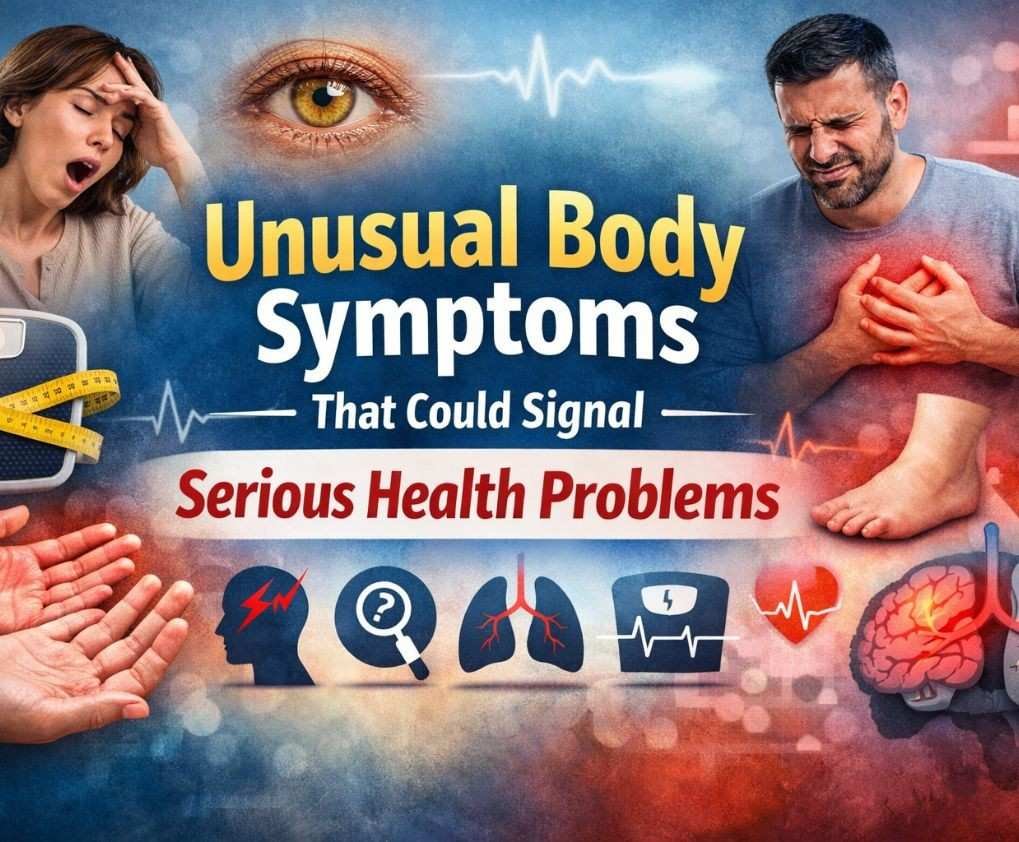
Our bodies often send warning signals when something isn’t right. While some symptoms are harmless or temporary, others may be subtle signs of serious underlying health problems. Ignoring unusual body symptoms can delay diagnosis and treatment, sometimes leading to complications. Understanding what to watch for can help you take timely action and protect your overall health.
Below are some unusual body symptoms you should never ignore and what they may indicate.
1. Persistent Fatigue That Doesn’t Improve With Rest
Feeling tired after a long day is normal, but constant fatigue that lasts for weeks could be a sign of a deeper issue. Chronic exhaustion may be linked to anemia, thyroid disorders, diabetes, heart disease, or even depression. If you wake up tired despite adequate sleep, it’s time to consult a healthcare professional.
2. Sudden, Unexplained Weight Loss
Losing weight without changes in diet or physical activity may seem like a good thing, but it can be alarming. Unintentional weight loss may signal conditions such as hyperthyroidism, digestive disorders, infections, or certain types of cancer. A medical evaluation is crucial to identify the cause early.
3. Changes in Skin Color or Texture
Your skin can reveal a lot about your internal health. Yellowing of the skin or eyes may indicate liver problems, while bluish skin could suggest poor circulation or oxygen levels. Persistent rashes, dark patches, or sudden changes in moles may point to autoimmune diseases, hormonal imbalances, or skin cancer.
4. Frequent Headaches or Dizziness
Occasional headaches are common, but frequent or severe headaches accompanied by dizziness, blurred vision, or nausea may be a warning sign. These symptoms could be related to high blood pressure, migraines, neurological issues, or even brain-related conditions. Sudden, intense headaches should never be ignored.
5. Shortness of Breath During Normal Activities
If you experience difficulty breathing during routine tasks like walking or climbing stairs, it could signal heart or lung problems. Conditions such as asthma, heart disease, anemia, or blood clots may cause unexplained breathlessness. Immediate medical attention is necessary if shortness of breath comes on suddenly.
6. Digestive Changes That Last for Weeks
Persistent digestive symptoms such as bloating, constipation, diarrhea, or abdominal pain may indicate digestive disorders. Conditions like irritable bowel syndrome (IBS), food intolerances, ulcers, or inflammatory bowel disease can present subtle symptoms. Blood in stool or long-term digestive discomfort should always be evaluated.
7. Numbness or Tingling in Hands and Feet
Occasional tingling can occur due to poor posture, but frequent numbness or tingling may suggest nerve damage. This symptom is commonly linked to diabetes, vitamin deficiencies, multiple sclerosis, or circulation problems. Early diagnosis can prevent long-term nerve complications.
8. Changes in Heartbeat or Chest Discomfort
An irregular heartbeat, chest tightness, or palpitations can be serious warning signs. While stress or caffeine may cause temporary changes, ongoing symptoms could indicate heart disease, arrhythmias, or anxiety disorders. Chest pain, especially when paired with sweating or nausea, requires immediate medical care.
9. Persistent Swelling in the Legs, Feet, or Face
Swelling that doesn’t subside may indicate fluid retention caused by kidney disease, heart failure, or hormonal imbalances. Sudden swelling in one leg may signal a blood clot, which is a medical emergency. Monitoring unexplained swelling is essential for early intervention.
10. Memory Issues or Difficulty Concentrating
Occasional forgetfulness is normal, but frequent memory lapses or mental fog may be linked to stress, vitamin deficiencies, thyroid problems, or neurological conditions. If cognitive issues interfere with daily life, a medical assessment can help identify the root cause.
When Should You See a Doctor?
You should seek medical advice if a symptom:
- Persists for more than two weeks
- Worsens over time
- Appears suddenly and intensely
- Interferes with daily activities
- Is accompanied by pain, fever, or unexplained bleeding
Early detection often leads to more effective treatment and better health outcomes.
Final Thoughts
Unusual body symptoms are your body’s way of communicating that something may be wrong. While not every symptom points to a serious condition, paying attention and acting early can make a significant difference. Listening to your body, staying informed, and seeking medical advice when needed are key steps toward long-term well-being.