Nutritional Value of Vitamins: Types, Benefits, and Food Sources
1 week ago · 9 min read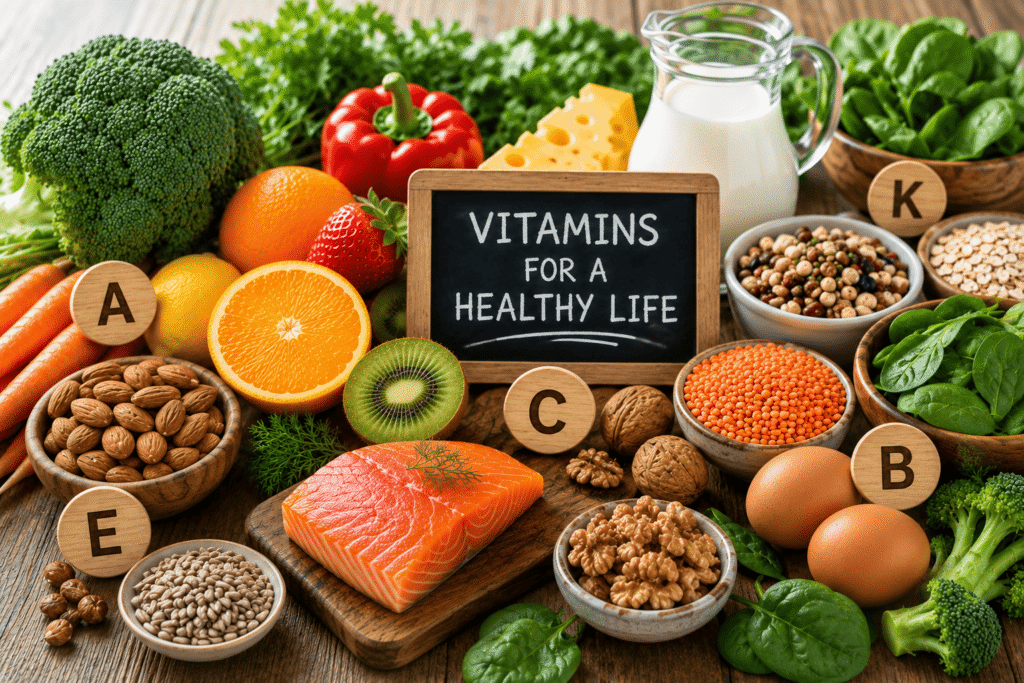
Vitamins are essential nutrients that help the body grow, develop, and function properly. They support many important processes, including maintaining healthy skin, strengthening bones, supporting the immune system, and helping the body convert food into energy. Although the body needs vitamins in small amounts, getting enough of them is important for overall health.
A balanced diet containing fruits, vegetables, whole grains, dairy products, eggs, nuts, seeds, and other nutrient-rich foods can help meet most vitamin needs. However, different foods provide different vitamins, and each vitamin performs a specific role in the body.
Understanding the nutritional value of vitamins can help you make better food choices and build healthy eating habits. In this guide, you will learn about the types of vitamins and their functions, common food sources, daily vitamin requirements, and practical ways to include these nutrients in your everyday meals.
What Are Vitamins and Why Are They Important?
Vitamins are organic compounds that the body needs in small quantities to maintain normal growth and health. Unlike carbohydrates, proteins, and fats, vitamins do not directly provide energy. Instead, they help the body use nutrients efficiently and support essential biological processes.
For example, vitamin C helps the body produce collagen, a protein needed for healthy skin and wound healing. Vitamin D helps the body absorb calcium, which supports strong bones and teeth. Vitamin A contributes to normal vision and immune function.
A lack of certain vitamins can lead to health problems. For this reason, eating a varied and balanced diet is an important part of maintaining good nutrition.
Types of Vitamins and Their Functions
There are 13 essential vitamins. They are divided into two main groups: fat-soluble vitamins and water-soluble vitamins.
1. Fat-Soluble Vitamins
Fat-soluble vitamins dissolve in fat and can be stored in the body’s fatty tissues and liver. These include vitamins A, D, E, and K.
Vitamin A
Vitamin A supports normal vision, immune function, and healthy skin. It also plays a role in cell growth.
Food sources include:
- Carrots and sweet potatoes
- Spinach and other leafy green vegetables
- Eggs
- Milk and some dairy products
- Liver
Carrots contain beta-carotene, which the body can convert into vitamin A. Including orange and dark green vegetables in meals is one practical way to obtain this nutrient.
Vitamin D
Vitamin D helps the body absorb calcium and phosphorus. These minerals are important for strong bones and teeth. It also contributes to normal muscle and immune function.
Food sources include:
- Salmon and other oily fish
- Egg yolks
- Fortified milk and plant-based drinks
- Fortified breakfast cereals
The body can also produce vitamin D when the skin is exposed to sunlight. However, the amount produced varies depending on factors such as season, location, skin pigmentation, and sun exposure.
Vitamin E
Vitamin E acts as an antioxidant, helping protect cells from damage caused by free radicals. It also supports normal immune function.
Food sources include:
- Almonds and sunflower seeds
- Sunflower and wheat germ oils
- Peanuts
- Spinach and other green vegetables
A small handful of nuts or seeds can contribute vitamin E to a balanced diet.
Vitamin K
Vitamin K is essential for normal blood clotting. It also plays a role in bone health.
Food sources include:
- Kale
- Spinach
- Broccoli
- Cabbage
- Other green leafy vegetables
People taking warfarin or certain other medications should ask their healthcare professional before making major changes to their vitamin K intake.
2. Water-Soluble Vitamins
Water-soluble vitamins dissolve in water. Most are not stored in large amounts in the body, so regular dietary intake is important. Vitamin B12 is an exception because the body can store substantial amounts of it.
Vitamin C
Vitamin C supports immune function, collagen production, wound healing, and the absorption of iron from plant foods. It also acts as an antioxidant.
Food sources include:
- Oranges and other citrus fruits
- Strawberries
- Guava
- Bell peppers
- Tomatoes and broccoli
Adding fresh fruit to breakfast or including vegetables in lunch and dinner can help increase vitamin C intake.
B Vitamins
The B-vitamin group includes eight vitamins: B1, B2, B3, B5, B6, B7, B9, and B12. Together, they help the body process nutrients, support normal nervous system function, and produce red blood cells.
Their functions and food sources vary.
- Vitamin B1 (Thiamin): Helps the body convert carbohydrates into energy. Sources include whole grains, pork, legumes, and seeds.
- Vitamin B2 (Riboflavin): Supports energy metabolism and normal cell function. Sources include milk, eggs, and fortified cereals.
- Vitamin B3 (Niacin): Helps enzymes carry out energy-producing reactions. Sources include poultry, fish, peanuts, and whole grains.
- Vitamin B5 (Pantothenic acid): Helps the body make and break down fats. Sources include chicken, mushrooms, eggs, and whole grains.
- Vitamin B6: Supports protein metabolism, brain development, and hemoglobin production. Sources include chickpeas, fish, potatoes, and poultry.
- Vitamin B7 (Biotin): Helps process fats, carbohydrates, and proteins. Sources include cooked eggs, nuts, seeds, and sweet potatoes.
- Vitamin B9 (Folate): Supports DNA production and cell division. Sources include leafy greens, beans, lentils, and fortified grains.
- Vitamin B12: Supports nerve function and red blood cell formation. Sources include fish, meat, eggs, dairy products, and fortified foods.
People following vegan diets may need fortified foods or a vitamin B12 supplement because unfortified plant foods do not naturally provide a reliable source of this vitamin.
Daily Vitamin Requirements
Daily vitamin requirements depend on age, sex, pregnancy status, health conditions, and other individual factors. The following table gives general recommended amounts for healthy adults aged 19–50 who are not pregnant or breastfeeding, based on U.S. dietary reference values.
| Vitamin | General daily requirement |
| Vitamin A | 900 mcg for men; 700 mcg for women |
| Vitamin C | 90 mg for men; 75 mg for women |
| Vitamin D | 15 mcg (600 IU) |
| Vitamin E | 15 mg |
| Vitamin K | 120 mcg for men; 90 mcg for women |
| Vitamin B1 | 1.2 mg for men; 1.1 mg for women |
| Vitamin B2 | 1.3 mg for men; 1.1 mg for women |
| Vitamin B3 | 16 mg NE for men; 14 mg NE for women |
| Vitamin B6 | 1.3 mg |
| Vitamin B9 (Folate) | 400 mcg DFE |
| Vitamin B12 | 2.4 mcg |
Requirements for vitamins B5 and B7 are generally expressed as adequate intake values: 5 mg for pantothenic acid and 30 mcg for biotin in adults.
These figures are general guidelines, not personalized prescriptions. Requirements may differ for older adults, pregnant or breastfeeding individuals, and people with certain medical conditions. Recommended values may also vary by country.
How to Get Vitamins Through Everyday Foods
A balanced diet is usually the best starting point for meeting daily vitamin requirements. You do not need to eat every vitamin-rich food each day. Instead, focus on variety and regular healthy eating habits.
Here are some practical tips:
- Eat different colored fruits and vegetables: Include leafy greens, carrots, berries, citrus fruits, and other seasonal produce.
- Choose whole grains: Oats, whole-wheat bread, and other whole grains provide several B vitamins.
- Include protein-rich foods: Eggs, fish, poultry, beans, lentils, nuts, and seeds provide different vitamins.
- Choose fortified foods when appropriate: Some milk alternatives, cereals, and other products contain added vitamins such as B12 or D.
- Prepare foods thoughtfully: Vitamin C and some B vitamins can be lost during prolonged cooking or when foods are exposed to excess water and heat. Steaming or briefly cooking vegetables can help preserve nutrients.
- Avoid relying on one food: No single food supplies every vitamin in the amounts your body needs.
Can You Get Too Many Vitamins?
Yes. Although vitamins are essential, taking excessive amounts can cause harm, particularly when high-dose supplements are used without medical guidance.
Fat-soluble vitamins A, D, E, and K can be stored in the body. Excessive intake of certain fat-soluble vitamins may lead to health problems. High doses of some water-soluble vitamins can also cause adverse effects.
For example, excessive vitamin A intake from supplements can be harmful, while high doses of vitamin B6 taken over time can cause nerve damage.
Vitamin supplements may be useful for people with diagnosed deficiencies, certain dietary restrictions, or increased nutritional needs. However, they are not automatically necessary for everyone. Consult a qualified healthcare professional before taking high-dose supplements, especially if you use prescription medication or have an existing medical condition.
Conclusion
Understanding the nutritional value of vitamins helps you make informed decisions about your everyday diet. Each vitamin has a different role, from supporting vision and bone health to helping the body produce red blood cells and maintain normal immune function.
Eating a variety of fruits, vegetables, whole grains, nuts, seeds, and suitable protein sources can help you obtain many essential vitamins. Fortified foods and supplements may be appropriate in certain situations, but individual needs vary.
Rather than focusing on a single nutrient, aim for a balanced and varied diet that supports your overall health. If you suspect a vitamin deficiency or are unsure about your nutritional needs, seek advice from a qualified healthcare professional.
Frequently Asked Questions (FAQs)
1. What is the nutritional value of vitamins?
The nutritional value of vitamins lies in their role in supporting normal body functions. They help maintain healthy vision, bones, skin, nerves, blood cells, and immune function. Vitamins do not provide calories, but they help the body use nutrients effectively.
2. What are the 13 essential vitamins?
The 13 essential vitamins are vitamins A, C, D, E, and K, along with eight B vitamins: B1, B2, B3, B5, B6, B7, B9, and B12.
3. Which foods are rich in vitamins?
Fruits, vegetables, whole grains, eggs, dairy products, fish, nuts, seeds, beans, and lentils provide different vitamins. For example, citrus fruits contain vitamin C, leafy greens provide vitamin K and folate, and oily fish can provide vitamin D.
4. Can a balanced diet provide all essential vitamins?
A varied diet can provide most essential vitamins for many people. However, some individuals may need fortified foods or supplements because of dietary restrictions, limited absorption, pregnancy, or other health-related factors. Vitamin B12 deserves particular attention in vegan diets.
5. Is it better to get vitamins from food or supplements?
For most people, food is the preferred starting point because it provides vitamins alongside minerals, fiber, and other beneficial nutrients. Supplements can help address specific needs, but they should be chosen carefully and used when appropriate.
6. What are the signs of vitamin deficiency?
Possible signs include fatigue, weakness, skin changes, vision problems, or tingling sensations, depending on the vitamin involved. These symptoms can have many causes, so they do not confirm a deficiency by themselves. A healthcare professional can help determine whether testing or treatment is needed.
Oliver Grant
Oliver researches and writes the articles on this site, turning health news into clear, everyday guides. He is not a medical professional, and everything he shares is general information, not medical advice.
More about Oliver →