

What are the 5 Types of Stomach Pain and Possible Causes?
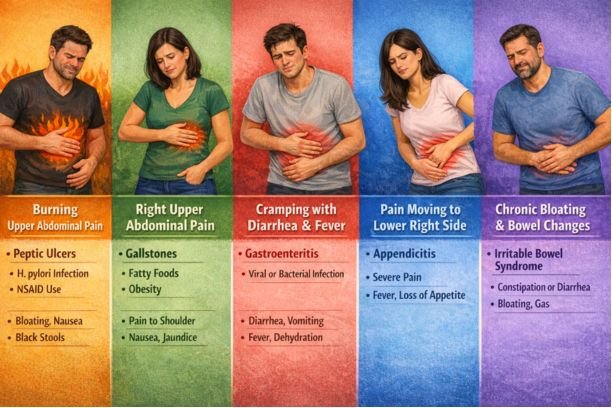
Stomach pain is one of the most common health complaints across all age groups. Almost everyone experiences abdominal discomfort at some point in life—sometimes after overeating, sometimes due to stress, and sometimes because of an underlying medical condition. While many stomach aches are harmless and temporary, others can signal a more serious problem that needs medical attention.
Understanding the type, location, and pattern of stomach pain can provide valuable clues about its cause. Stomach pain is not a single condition; it varies widely in sensation, intensity, duration, and associated symptoms. Some pains feel dull and burning, others are sharp and sudden, while some come and go over time.
In this article, we will explore five common types of stomach pain, their possible causes, associated symptoms, and when you should consider seeing a doctor. This information is educational and meant to help you better understand your body—not to replace professional medical advice.
Why Understanding Stomach Pain Matters
The abdomen houses many vital organs, including the stomach, intestines, liver, gallbladder, pancreas, kidneys, and reproductive organs. Because so many systems are involved, abdominal pain can be confusing and sometimes misleading.
Key factors that help identify the cause of stomach pain include:
- Location of the pain
- Type of sensation (burning, cramping, sharp, dull)
- Timing (sudden, gradual, after meals, at night)
- Associated symptoms such as fever, vomiting, diarrhea, or bloating
By paying attention to these factors, you can better understand whether your pain is likely minor or something that needs urgent care.
1. Gnawing or Burning Pain in the Upper Abdomen
What This Type of Pain Feels Like
- Burning or gnawing sensation
- Usually felt in the upper middle part of the abdomen
- May worsen at night or when the stomach is empty
- Sometimes improves after eating or taking antacids
Possible Cause: Peptic Ulcers
Peptic ulcers are open sores that develop in the lining of the stomach or the upper portion of the small intestine. This type of pain is often described as a burning or aching discomfort that can come and go over days or weeks.
Common Causes of Peptic Ulcers
- Infection with Helicobacter pylori (H. pylori)
- Long-term use of pain relievers such as aspirin or other NSAIDs
- Excess stomach acid production
- Smoking and excessive alcohol consumption
Additional Symptoms May Include
- Bloating or fullness
- Nausea
- Loss of appetite
- Dark or black stools in severe cases
When to Seek Medical Care
- Pain that persists for several days
- Vomiting blood or black stools
- Unexplained weight loss
Treatment often includes medications that reduce stomach acid, antibiotics if an infection is present, and lifestyle changes.
2. Right Upper Abdominal Pain That Comes and Goes
What This Type of Pain Feels Like
- Sharp or cramping pain under the right ribcage
- Comes in waves rather than constant pain
- Often occurs after eating, especially fatty foods
- May radiate to the back or right shoulder
Possible Cause: Gallstones
Gallstones are hardened deposits of cholesterol or bile that form in the gallbladder. When a gallstone temporarily blocks a bile duct, it can cause episodic pain, commonly known as biliary colic.
Risk Factors for Gallstone s
- Being overweight or obese
- Rapid weight loss
- Pregnancy
- High-fat diet
- Family history of gallbladder disease
Associated Symptoms
- Nausea or vomiting
- Indigestion after meals
- Pain lasting from minutes to several hours
When to Seek Medical Care
- Severe or worsening pain
- Fever with abdominal pain
- Yellowing of the skin or eyes (jaundice)
In many cases, surgical removal of the gallbladder is recommended to prevent recurring attacks.
3. Cramping Pain with Fever, Diarrhea, and Vomiting
What This Type of Pain Feels Like
- Generalized abdominal cramping
- Often accompanied by loose stools
- Nausea and vomiting
- Fever and body weakness
Possible Cause: Gastroenteritis (Stomach Flu)
Gastroenteritis is an inflammation of the stomach and intestines caused by viral, bacterial, or parasitic infections. This type of stomach pain is common and often spreads through contaminated food, water, or close contact with an infected person.
Common Causes
- Viruses such as norovirus or rotavirus
- Bacterial infections from undercooked food
- Poor hand hygiene
Additional Symptoms
- Dehydration
- Fatigue
- Loss of appetite
Management and Recovery
- Staying hydrated is critical
- Rest and light meals help recovery
- Most cases resolve within a few days
When to Seek Medical Care
- Persistent vomiting
- Signs of dehydration
- High fever or blood in stool
4. Pain That Starts Near the Belly Button and Moves to the Lower Right Abdomen
What This Type of Pain Feels Like
- Begins as a dull ache near the navel
- Gradually shifts to sharp pain in the lower right abdomen
- Pain worsens with movement or coughing
Possible Cause: Appendicitis
Appendicitis occurs when the appendix becomes inflamed and infected. This is a medical emergency and requires prompt treatment.
Common Symptoms
- Loss of appetite
- Nausea and vomiting
- Fever
- Abdominal tenderness
Why It’s Serious
If untreated, the appendix can rupture, leading to serious infections in the abdomen.
Treatment
- Surgical removal of the appendix
- Antibiotics before and after surgery
Immediate medical attention is crucial if appendicitis is suspected.
5. Ongoing Abdominal Pain with Bloating and Bowel Changes
What This Type of Pain Feels Like
- Recurrent abdominal discomfort
- Bloating or gas
- Pain relieved after bowel movements
- Alternating diarrhea and constipation
Possible Cause: Irritable Bowel Syndrome (IBS)
IBS is a chronic digestive condition that affects how the intestines function. Unlike other conditions, IBS does not cause visible damage to the digestive tract but can significantly impact quality of life.
Common Triggers
- Stress and anxiety
- Certain foods
- Hormonal changes
- Altered gut bacteria
Symptoms May Include
- Mucus in stool
- Fatigue
- Increased symptoms during stressful periods
Management Strategies
- Dietary adjustments
- Stress management techniques
- Medications for symptom relief
IBS is typically diagnosed after ruling out other medical conditions.
A Situation Related to Stomach Pain
Consider the experience of Ravi, a 35-year-old office professional. Ravi frequently experienced bloating and abdominal pain that worsened during workdays and improved on weekends. Initially, he ignored the symptoms, assuming they were caused by irregular meals. Over time, he noticed changes in his bowel habits and increased discomfort during stressful periods.
After consulting a doctor and undergoing tests to rule out infections and ulcers, Ravi was diagnosed with irritable bowel syndrome. By modifying his diet, managing stress, and following medical advice, he was able to significantly reduce his symptoms and improve his daily comfort.
This example highlights how recognizing patterns in stomach pain can lead to timely diagnosis and effective management.
When Should You Worry About Stomach Pain?
Seek medical attention if you experience:
- Severe or sudden abdominal pain
- Persistent pain lasting more than a few days
- Pain accompanied by fever, vomiting, or blood in stool
- Unintentional weight loss
- Pain during pregnancy
Listening to your body and acting early can prevent complications.
Conclusion
Stomach pain can range from mild discomfort to a sign of a serious medical condition. Understanding the five common types of stomach pain—burning upper abdominal pain, right upper quadrant pain, infection-related cramps, migrating lower abdominal pain, and chronic functional pain—can help you identify possible causes and decide when to seek medical care.
While occasional stomach aches are normal, persistent or severe symptoms should never be ignored. Paying attention to pain patterns, associated symptoms, and lifestyle factors can make a significant difference in maintaining digestive health and overall well-being.
If you are ever unsure about your symptoms, consulting a healthcare professional is always the safest choice.